

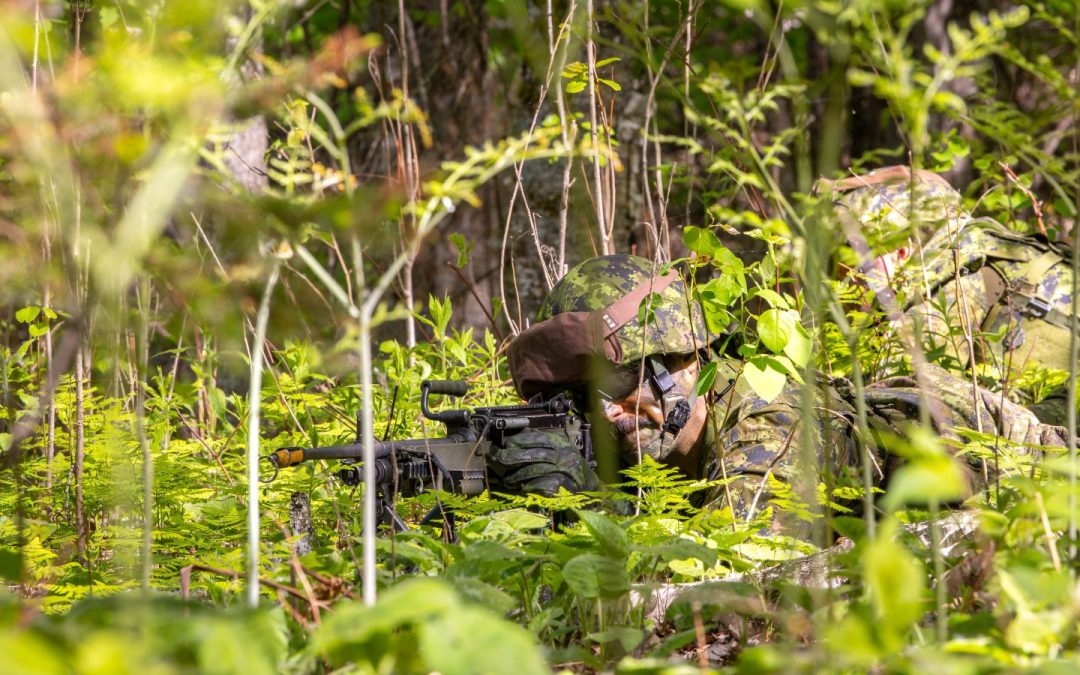
Soldiers from the 8th Canadian Hussars (Princess Louise’s) conducted Exercise Iron Pursuit in the Sussex training area in late May, focusing on dismounted combat tracking and small-unit tactics under austere field conditions.
Delivered with support from instructors from Royal Canadian Armour Corps School Armoured Capability Development Cell (RCACS ACDC), the exercise was designed to develop the regiment’s ability to detect, identify, and track a simulated adversary through the deliberate use of visual indicators and environmental awareness.
Under clear skies and unseasonably warm spring temperatures, soldiers operated in small, dispersed elements across wooded terrain, applying fieldcraft and stealth to locate and follow opposing forces. The training emphasized disciplined observation, communication, and decision-making—core skills required for effective combat tracking.
The integration of RCACS ACDC personnel was a key component of the exercise. Working directly with troop-level elements, instructors provided mentorship and technical expertise, particularly during tracking and ambush serials.
“My team and I are here… to help mentor and teach,” said Capt Lau of the RCACS’s ACDC, noting they have specific subject matter experts.
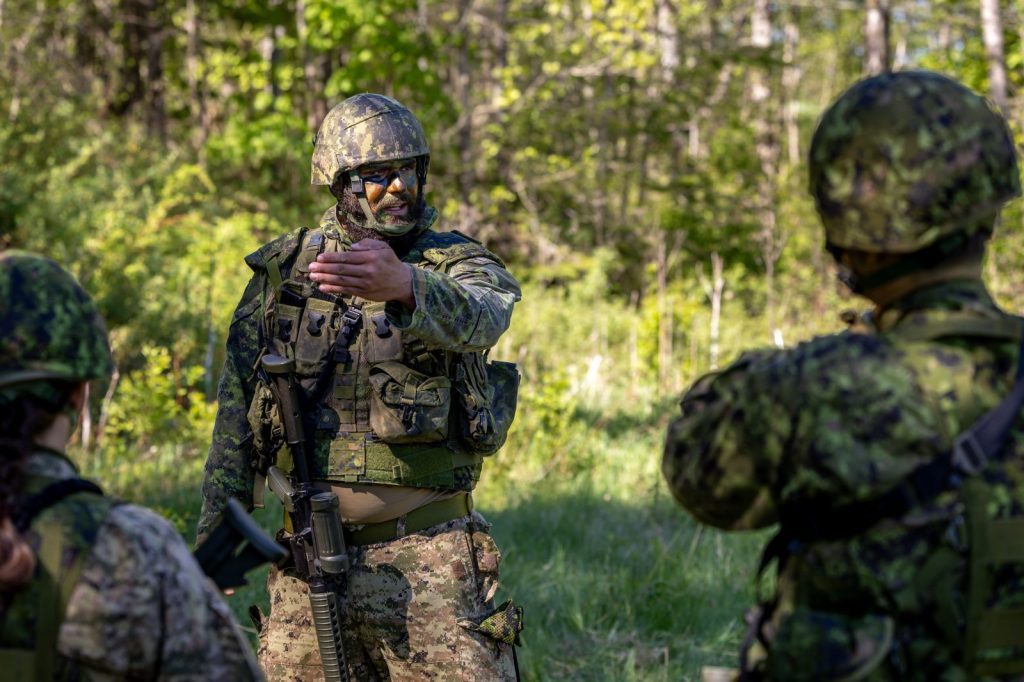
Photo: Capt Mitchell, 37 Canadian Brigade Group
For many soldiers, the training represented an opportunity to develop dismounted capabilities not often emphasized within an armoured reserve unit.
“Being able to go into the field and gain insights from battle school instructors—especially in teamwork and communication—will be valuable for our careers,” said Cpl Gaudet of Moncton, N.B.
Exercise Iron Pursuit was structured in three phases, beginning with planning and reconnaissance, followed by field execution, and concluding with post-exercise reporting and lessons learned. The main effort focused on full participation from all soldiers, regardless of rank or experience, ensuring a shared baseline of knowledge across the regiment.
During execution, soldiers tracked simulated enemy movement by identifying subtle signs such as disturbed ground, broken vegetation, and movement patterns. Sections worked methodically, confirming indicators and maintaining communication as they advanced through the training area.
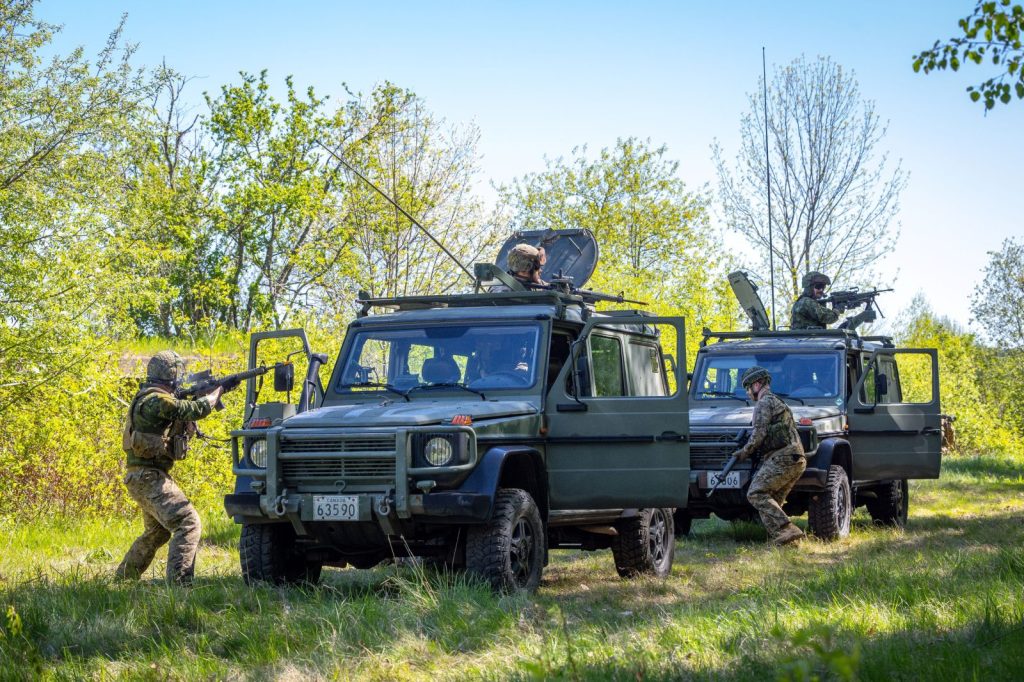
Photo: Capt Mitchell, 37 Canadian Brigade Group.
According to Lau, the training addressed a capability gap while demonstrating the adaptability of the unit.
“I think for [the 8th Canadian Hussars], there are not a lot of soldiers with experience in conducting dismounted ambushes,” she said. “[But] today they’re doing an amazing job. They’re learning very quickly. They’re very attentive to my staff.”
The exercise also marked an early collaboration between the unit and RCACS ACDC staff, with both sides noting the benefit of integrating institutional training expertise into unit-led exercises.
“This is our first time working with the 8th Canadian Hussars, and we’re excited to be here and share knowledge,” said Lau.
By the end of the exercise, soldiers demonstrated improved situational awareness and a stronger understanding of tracking principles in a tactical context. The training established a foundation for continued development, enhancing the regiment’s ability to conduct dismounted operations alongside its core armoured capabilities.
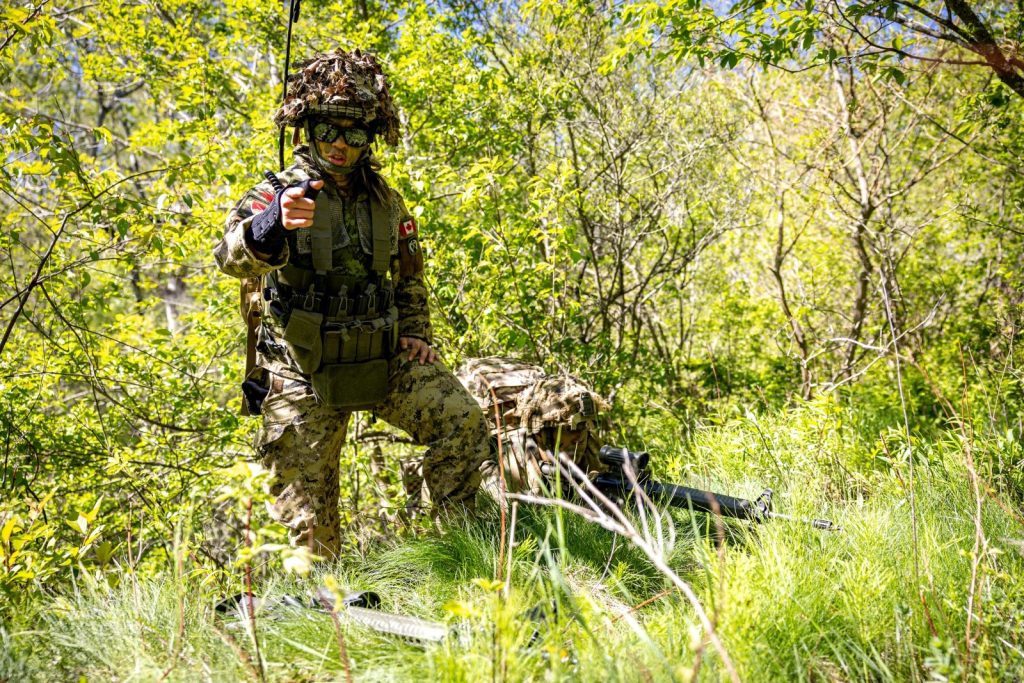
Photo: Capt Mitchell, 37 Canadian Brigade Group